Healthcare is one of the fastest-growing job sectors in British Columbia. Hospitals, clinics, diagnostic labs, and community care centres across the province continue to look for trained support staff who can step into essential roles without years of university education.
If you want a stable career, meaningful work, and strong job prospects, entry-level healthcare positions can offer a practical path forward in less than a year of training.
This guide explains the most in-demand entry-level healthcare careers in BC, what each role involves, and how you can begin quickly with the right training program.
Why Entry-Level Healthcare Careers Are Growing in BC
British Columbia’s healthcare system is expanding to meet the needs of an aging population and increasing demand for diagnostic and clinical services. As a result, employers are actively hiring trained support professionals who can assist physicians, nurses, technologists, and lab teams.
Several factors are driving this demand:
- More diagnostic testing across hospitals and community labs
- Increased chronic disease monitoring
- Population growth in the Lower Mainland and Interior regions
- Retirement of experienced healthcare workers
- Expansion of outpatient and specialized clinics
Benefits of Starting a Healthcare Career Without a Degree
Many people assume healthcare careers require years of university training. In reality, several respected and essential roles can be accessed through short diploma or certificate programs.
Common advantages include:
- Training completed in under one year
- Strong job stability across BC
- Opportunities to work in hospitals and clinics
- Hands-on practicum experience before graduation
- Clear pathways for career advancement
- Meaningful work supporting patient care
Most In-Demand Entry-Level Healthcare Careers in BC
Below are some of the most sought-after entry-level healthcare roles across British Columbia today.
Medical Laboratory Assistant (MLA)
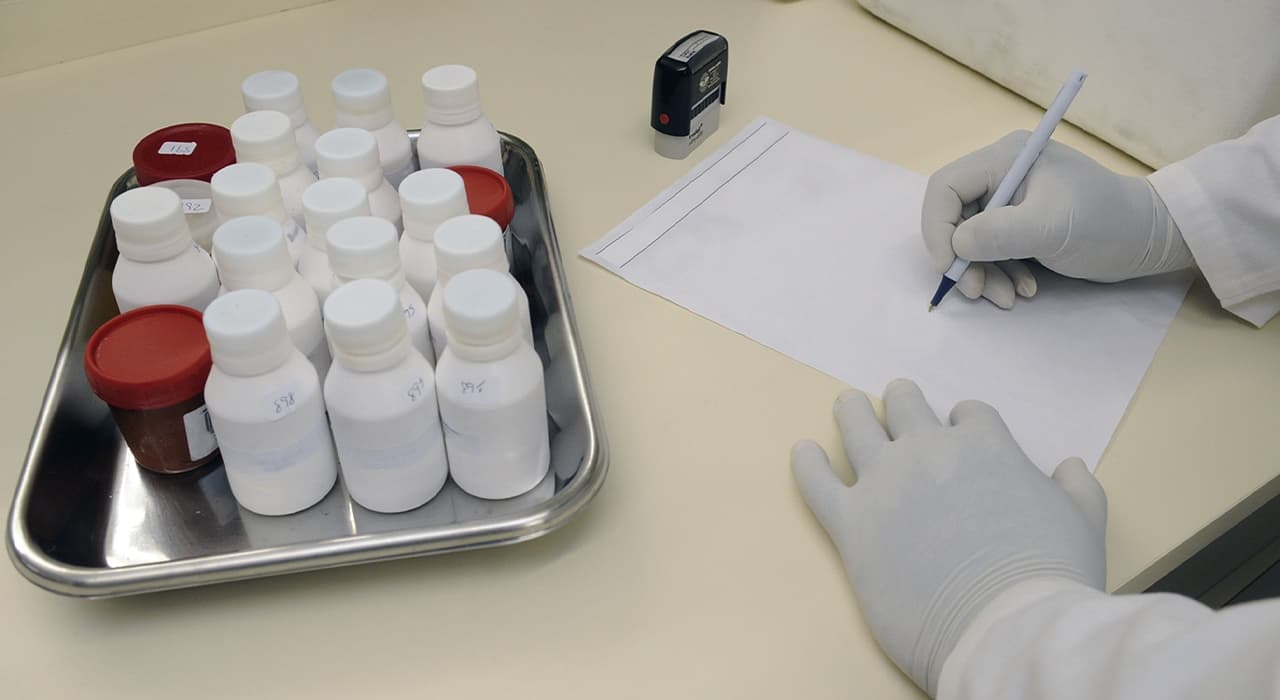
Medical laboratory assistants play a key role in diagnostic testing. They collect blood samples, prepare specimens, perform ECG testing, and support laboratory technologists.
Typical workplaces include:
- Hospitals
- Diagnostic labs
- Physician offices
- Outpatient clinics
Because nearly every diagnosis depends on lab testing, MLAs are essential members of healthcare teams.
Many students begin their journey through a structured training program such as a medical laboratory assistant course, which combines classroom learning with clinical practicum experience.
Health Care Assistant (HCA)
Health care assistants support patients with daily living activities in long-term care homes, assisted living facilities, and hospitals.
Responsibilities often include:
- Helping patients move safely
- Assisting with meals
- Monitoring comfort and hygiene
- Supporting mobility routines
- Reporting patient condition changes
Demand for HCAs continues to grow across BC due to population aging.
Medical Office Assistant (MOA)
Medical office assistants manage administrative workflows inside clinics and medical practices.
Typical duties include:
- Scheduling appointments
- Organizing patient files
- Billing through MSP systems
- Communicating with patients
- Coordinating referrals
This role is ideal for individuals interested in healthcare environments but less focused on clinical procedures.
Pharmacy Assistant
Pharmacy assistants help pharmacists prepare medications and serve customers in retail and hospital pharmacies.
Daily tasks often include:
- Preparing prescriptions
- Managing inventory
- Labeling medications
- Assisting customers
- Processing insurance claims
Retail pharmacies throughout BC frequently hire trained assistants.
Comparison Table: Entry-Level Healthcare Careers in BC
The table below highlights how these careers compare in training length, responsibilities, and workplace settings.
| Career | Typical Training Length | Work Environment | Patient Interaction Level | Job Demand in BC |
|---|---|---|---|---|
| Medical Laboratory Assistant | 6–9 months | Hospitals, labs, clinics | Moderate | Very high |
| Health Care Assistant | 6–8 months | Long-term care, hospitals | High | Very high |
| Medical Office Assistant | 4–8 months | Clinics, offices | Moderate | High |
| Pharmacy Assistant | 4–8 months | Pharmacies, hospitals | Moderate | High |
Among these options, medical laboratory assisting stands out because it combines clinical work, diagnostic support, and strong employment flexibility across healthcare settings.
What Makes Medical Laboratory Assistants Especially Valuable
Diagnostic testing supports nearly every patient treatment plan. Without lab results, physicians cannot confirm conditions, monitor recovery, or adjust medications effectively.
Medical laboratory assistants help make this process possible by:
- Collecting blood samples
- Preparing specimens for analysis
- Performing ECG testing
- Maintaining laboratory equipment
- Ensuring accurate patient identification
- Supporting laboratory workflow efficiency
Because their responsibilities directly affect diagnostic accuracy, MLAs are trusted members of healthcare teams.
Where Medical Laboratory Assistants Work in BC
One of the advantages of MLA training is workplace flexibility. Graduates can apply for positions across multiple healthcare environments.
Common employment settings include:
- Public hospitals
- Private diagnostic laboratories
- Walk-in medical clinics
- Specialist offices
- Community health centres
- Mobile testing units
This variety allows graduates to choose schedules and environments that match their lifestyle goals.
How Quickly You Can Start a Healthcare Career in BC
Many entry-level healthcare programs in BC include both classroom learning and practicum placement. This structure helps students gain real-world experience before graduating.
Typical training timelines look like this:
- Medical Laboratory Assistant: 6–9 months
- Health Care Assistant: 6–8 months
- Medical Office Assistant: 4–8 months
- Pharmacy Assistant: 4–8 months
Programs with practicum placements often lead directly to employment opportunities after completion.
Skills Employers Look for in Entry-Level Healthcare Workers
Healthcare employers across BC value both technical training and professional behaviour. Students who develop these skills often transition smoothly into the workforce.
Important qualities include:
- Attention to detail
- Communication skills
- Patient empathy
- Teamwork ability
- Organization
- Reliability
- Infection-control awareness
Medical laboratory assistants also benefit from strong procedural accuracy and comfort working with laboratory equipment.
Is a Medical Laboratory Assistant Career Right for You?
This role may be a strong fit if you enjoy structured tasks, clinical environments, and working as part of a diagnostic team.
Many students choose MLA training because they want:
- A fast path into healthcare
- Stable employment opportunities
- Hands-on clinical experience
- Meaningful patient interaction
- Opportunities to grow into advanced lab careers later
It is especially suitable for career changers seeking practical training without long academic commitments.
Career Growth Opportunities After MLA Training
Although MLA programs provide entry-level access to healthcare employment, they can also serve as a foundation for future advancement.
Graduates sometimes continue into:
- Laboratory technologist training
- Specialized diagnostic roles
- Healthcare administration
- Clinical coordination positions
- Supervisory lab support roles
Starting as an MLA helps students gain real healthcare experience before deciding on long-term career directions.
Salary Expectations for Entry-Level Healthcare Roles in BC
Entry-level healthcare salaries vary depending on experience, employer type, and location within the province.
Approximate ranges include:
- Medical Laboratory Assistant: $25–$32 per hour
- Health Care Assistant: $24–$31 per hour
- Medical Office Assistant: $22–$28 per hour
- Pharmacy Assistant: $20–$27 per hour
Positions within hospital systems often include additional benefits such as extended health coverage and pension eligibility.
How Practicum Training Helps You Find Work Faster
One of the biggest advantages of healthcare certificate programs is supervised clinical placement. Practicum experience allows students to apply skills in real settings before graduation.
Benefits of practicum training include:
- Building confidence in clinical environments
- Learning workplace expectations
- Gaining references from supervisors
- Developing professional connections
- Improving hiring readiness
Many students receive job offers shortly after completing placements.
Choosing the Right Training Program in BC
Not all programs provide the same level of preparation. Strong healthcare training programs typically include:
- Hands-on laboratory instruction
- Infection-control certification
- ECG training
- Specimen collection practice
- Experienced instructors
- Structured practicum placements
Selecting a recognized program improves both confidence and employment prospects after graduation.
Starting Your Healthcare Career Sooner Than You Think
Entry-level healthcare careers in British Columbia offer a practical path into a respected and stable profession without years of university study. Roles like medical laboratory assistant continue to grow as diagnostic services expand across hospitals and community clinics.
With focused training and real clinical experience, many students move from the classroom into healthcare workplaces in less than a year. If you are ready to begin a meaningful career supporting patient care, choosing the right training program can be your first step toward long-term opportunity in BC’s healthcare system.